
When it comes to flying internationally, it is crucial to understand the rules and regulations regarding e-cigarettes. These devices, often seen as a convenient alternative to traditional smoking, have their own set of guidelines due to varying international policies. So, can we carry e-cigarettes in international flights? Let’s delve into the specifics and equip ourselves with the necessary knowledge for a hassle-free journey.
First and foremost, it’s important to note that most airlines allow passengers to carry e-cigarettes in their carry-on luggage, but not in checked baggage. The rationale behind this is related to safety concerns, as e-cigarettes contain lithium batteries, which pose a potential fire hazard. Therefore, keeping these devices in the cabin is a precautionary measure to mitigate risks. It is advisable to check with your specific airline for their regulations, as policies may vary slightly across different carriers.

Understanding the Security Screening Process
During security checks, passengers carrying e-cigarettes should be prepared for possible scrutiny. These items are often flagged due to their electronic nature, so expect potentially additional screening. Disassembling the device (removing tanks or batteries) before approaching security can speed up the process and demonstrate compliance with the staff. Moreover, familiarizing yourself with TSA guidelines and those of the airport you’re departing from can be beneficial. Typically, the liquid refill containers are subject to the same restrictions as other liquids, limited to 100ml in carry-on bags.
Global Variations in E-Cigarette Policies
The policies surrounding e-cigarettes are not uniform worldwide, and travellers should be cautious of local laws at their destination. In countries like Australia, Thailand, and India, the legality of vaping varies significantly. For instance, Thailand has banned the import, sale, and possession of e-cigarettes, with violators facing severe penalties. Australia, on the other hand, allows personal use but has restrictions on nicotine content. It’s imperative to research these regulations beforehand to avoid legal complications. Using e-cigarettes onboard is prohibited universally due to health and safety regulations. It is wise to know the designated smoking areas in airports where you can vape if needed.
Navigating Airline Policies
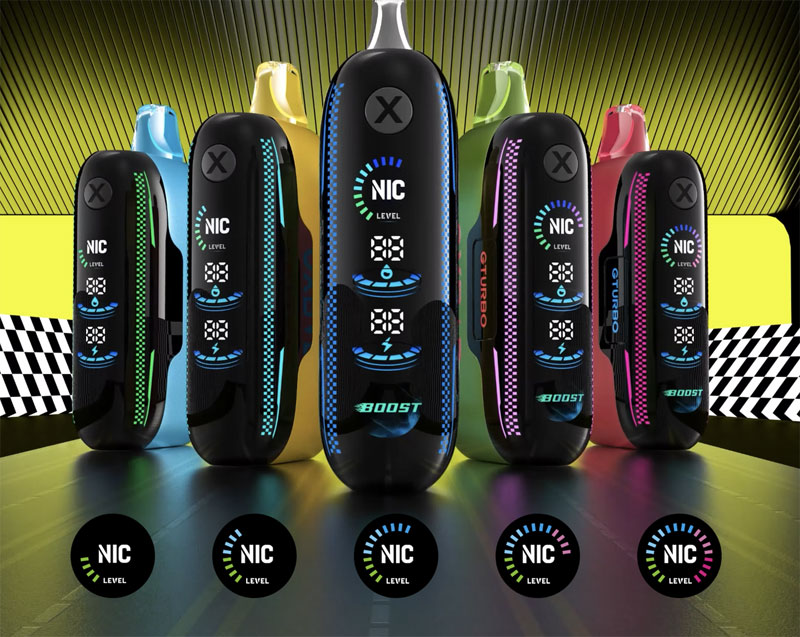 Every airline has its own set of rules for e-cigarettes. Many airlines adhere to rules largely set internationally, but some may impose additional restrictions. For instance, certain carriers might restrict the number of batteries you can carry, requiring them to be stored separately in specific packaging. Reviewing the airline’s website or contacting customer service prior to departure will ensure that you’re fully informed about their requirements. This is particularly crucial for frequent travellers who prefer their travel routines to be seamless.
Disclosure on Health Impacts
 E-cigarettes are often touted as an alternative to smoking, but it’s crucial to remain informed about their health implications. While many believe them to be less harmful, the long-term effects are still under research. Maintaining awareness of changes in health regulations can assist in planning if you travel frequently. Engaging health professionals or seeking resources from reputable medical organizations can provide insights into safe practices when using e-cigarettes.Q: Can e-cigarettes be used in-flight? A: No, using e-cigarettes is generally prohibited on flights due to safety concerns and air quality regulations. Q: What should I do if I’m traveling to a country with strict vaping laws? A: Research the laws thoroughly before traveling—contact your airline and possibly the embassy for advice on transporting or using e-cigarettes legally in your destination. Q: Are there alternatives to carrying e-cigarettes on flights? A: If regulations are too restrictive, consider nicotine patches or gum as temporary alternatives that are usually allowed in carry-on bags.